


Acemannan is a complex polysaccharide found in Aloe Arborescens and Aloe Vera and, thanks to its particular composition, it is attributed various beneficial properties.
Let's take a closer look.
What is Acemannan?
Theacemannan (or acetylated mannan) is a glycosaminoglycan D-isomer extracted from the leaves ofAloe barbadensis and Aloe Arborescens Miller, but it can also be found in ginseng and shiitake mushrooms.
What are the properties of Acemannan?
Acemannan has strong immunostimulant and antiviral properties, also demonstrated by scientific studies, which have shown that, by stimulating the production of interferon, it helps prevent and eradicate infections of viral origin.
Furthermore, this polysaccharide is used as a remedy for gastrointestinal disorders, managing to create a sort of coating along the walls of the stomach and intestines, which are thus protected.
Acemannan is currently often used in veterinary medicine to treat fibrosarcoma in dogs and cats.
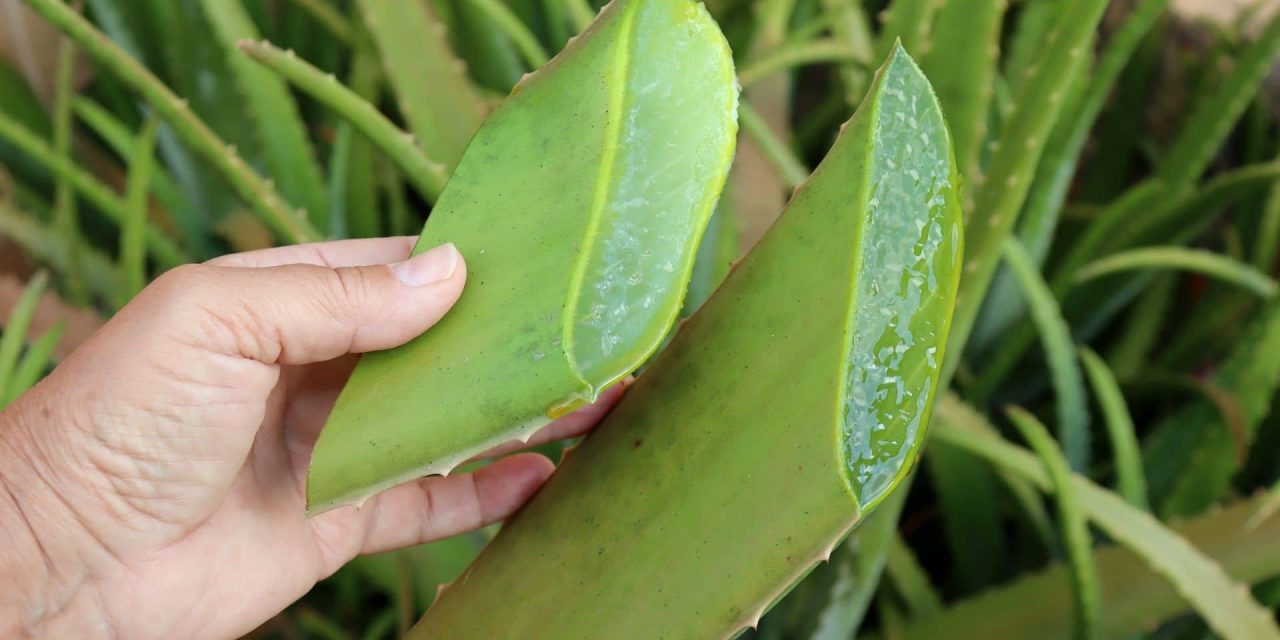
Acemannan, what is it used for?
As we have seen previously, this important polysaccharide can perform various functions in our body and provide several benefits, especially immunostimulants and gastroprotective agents.
Its protective action on the mucous membranes of the stomach and intestines is very important in cases of stomach acidity and gastroesophageal reflux.
The coating it creates along the walls of the stomach and intestines helps improve the absorption of nutrients and facilitates elimination of toxins accumulated along the digestive tract.
Acemannan also offers antibacterial, antifungal and bactericidal properties.
Acemannan also proves to be an excellent ally for the treatment of infections external applications, giving aloe vera in particular that beneficial healing effect in cases of small ulcers, burns and sunburn, as well as in response to mosquito bites.
Especially when contained in aloe vera gel this polysaccharide is combined with a high intake of mineral salts and vitamins, which can further enhance its action.
Acemannan and Aloe: a natural gastroprotective agent
As previously explained, Acemannan is a polysaccharide naturally contained in Aloe Vera Gel and which, thanks to its composition, once ingested it passes through the digestive system without being destroyed and is therefore absorbed intact, allowing it to exert its healing effect.
These polysaccharides also give the Aloe Vera gel its gelatinous appearance, but they are also the main cause of deterioration due to bacterial attack. For this reason, the production process includes a very important stabilization phase for the gel when the plant is harvested.
Therefore, it is necessary to know how to choose the right Aloe Vera Gel to drink or use on the skin as a cosmetic, preferably from quality raw materials that have undergone as little processing as possible, so that they retain high percentages of acemannan.

Which Aloe should you choose for reflux?
The choice of the best Aloe supplement for reflux should certainly be based on the intrinsic quality of the raw material used in the production of Aloe Vera Juice.
In fact, the more a raw material is processed and treated, as in the case of industrial Aloe Vera juices made from Aloe powder (dehydrated Aloe Juice) or Concentrated Aloe Juice, the greater the risk of losing valuable micronutrients and compounds.
It is therefore important to choose Aloe Vera Juice made from Italian Aloe leaves, also to support a supply chain that is becoming increasingly important, ensuring the quality of the finished product.
This is the case with our Aloe Vera and Aloe Arborescens Juices, which laboratory analyses have shown to have an optimal concentration of Acemannan.
Our Aloe Vera juice can, in fact, contain up to 0.48% Acemannan, while our Aloe Arborescens Juice, famous for having a higher concentration of active ingredients and nutrients, can contain up to 0.58% Acemannan.


