La storia dell'Aloe Vera: testimonianze dall'antichità

The history of Aloe Vera: testimonies from antiquity

The history of Aloe Vera, from ancient uses to natural tradition.

Aloe Vera is a millennial plant that has spanned eras and different civilizations until becoming one of the most famous and most appreciated natural medicines in the world. Its use dates back to ancient times, when this succulent was considered a miraculous cure for the treatment of skin and wounds and was also used for medicinal purposes.


Aloe Vera has always been of great interest for its therapeutic and cosmetic properties, and it has become a key ingredient in the production of natural remedies, creams, lotions, and beauty products.


But what is the origin of aloe vera and what are the historical records of its use in the past? So, what are the properties that make aloe vera a symbol of beauty and health?  


In this article, we will explore the history of aloe vera in ancient times and its uses, discovering the properties that have made this plant one of the most highly regarded worldwide.
 

Aloe Vera, what type of plant is it?


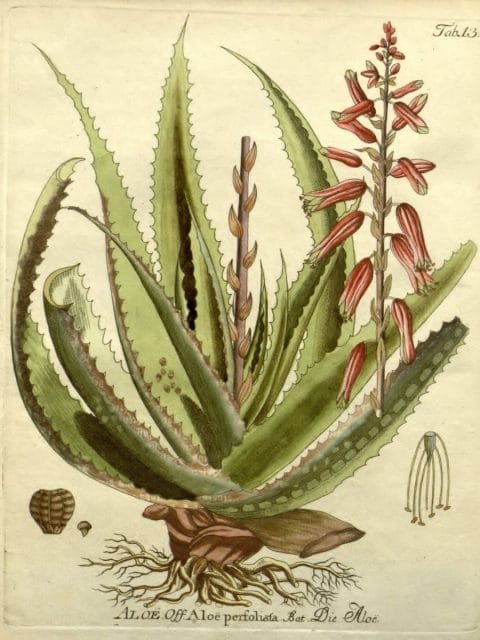
Aloe Vera, scientifically known as Aloe Barbadensis Miller, is a perennial succulent plant belonging to the Asphodelaceae family that can reach a height of approximately 60-90 cm, although it is generally smaller.


Its fleshy green leaves are long and narrow, with serrated edges and pointed tips. The plant also produces tubular flowers that are yellow, orange, or red, growing on stems up to 90 cm tall.


Aloe Vera is a plant that adapts very well to hot, arid climates and grows mainly in subtropical areas such as Africa, the Mediterranean, and the arid regions of South and North America. However, thanks to its popularity as an ornamental plant and as an ingredient in many skin care products and dietary supplements, aloe vera is cultivated throughout the world even though cultivation is more widespread in countries with warm climates.

aloe drawing

Where does Aloe Vera originate?

It is not entirely clear where aloe vera originated, as this plant was used by many ancient cultures in different parts of the world. However, it is believed that Aloe Vera originated in Africa, like many other plants, particularly in the regions of North Africa and East Africa.


Aloe Vera was later spread to many parts of the world through trade and human migration and is now cultivated in many tropical and subtropical regions of the world, such as India, Mexico, China, South America, Spain, and Italy.


Aloe vera is a highly adaptable plant that can survive in hot, arid climates, thanks to its ability to store water in its succulent leaves.

aloe vera flower

Accounts of Aloe Vera use in the past:

There are numerous historical accounts of the use of Aloe Vera in ancient times, originating from different cultures around the world. Here are some examples:


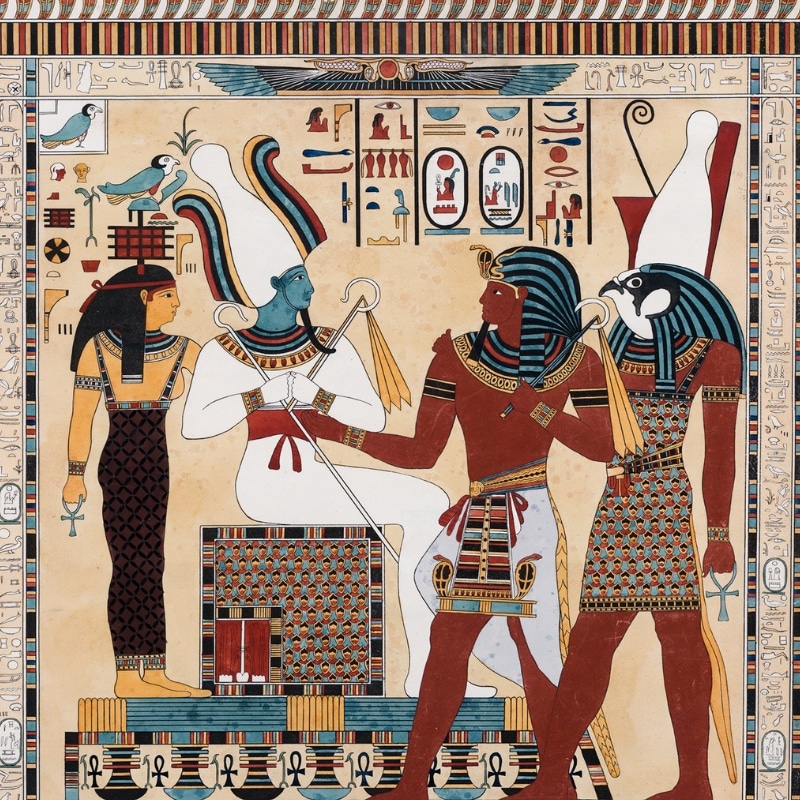
  • The Ancient Egyptians used aloe vera to treat wounds, burns and skin diseases, as well as for beauty purposes, such as preparing ointments and lotions for skincare. It was even used as an ingredient in preparing mummification balms, as in the case of Pharaoh Ramses II. Depictions of aloe vera have been found on the walls of Egyptian tombs dating back approximately 4,000 years.                                                                                                                              The Ebers Papyrus also comes from Egypt, as well as the first “official document” in which Aloe Vera is mentioned in a long series of recipes for treating many disorders.
 
  • There are also references to the use of Aloe Vera by the ancient Sumerians. A Sumerian clay tablet found in Mesopotamia (in present-day Baghdad), in which Aloe is mentioned as a medicinal plant.


  • The ancient Greeks and Romans used aloe vera to treat wounds, burns and skin diseases. The ancient Greek philosopher and physician Dioscorides described the healing properties of aloe vera in his book “De Materia Medica“, written in 70 AD. Also Hippocrates, the “father of Western medicine,” mentions Aloe Vera in his treatises for its the properties anti-inflammatory, regenerating, disinfectant.
 
  • In the “Charaka Samhita“, a classic work of Indian Ayurvedic medicine dating back to the 2nd century BC, aloe vera is described as a plant useful for treating digestive, skin and diabetes disorders. More recently, Gandhi also  stated that Aloe, together with faith in God and his lifestyle, helped him overcome his long fasts.
 
  • The use of Aloe Vera is mentioned in the Bible (Numbers 24:6, John 19:39 and Psalms 45:8), for example when it is used for tthe anointing of Jesus’ body coming down from the cross.
 
  • In China, aloe vera was used in traditional medicine to treat digestive disorders, skin diseases and diabetes, as well as for maintaining general health. Aloe vera was also a highly valued plant in Chinese culture for its ornamental beauty.
 
  • Also Christopher Columbus mentions Aloe when, During his voyage of discovery to America, he highlighted the importance of Aloe as one of the 4 essential plants for humans alongside wheat, grapevines, and olive trees because it brought health.
 
  • Finally, the Templars used aloe with palm wine and hemp, for good health and longevity, and called this drink “Elixir of Jerusalem”.
 

These historical accounts demonstrate how aloe vera was a very valuable plant for many ancient cultures, which recognized its healing and cosmetic properties.


Who gave Aloe Vera the name “Barbadensis”?

The scientific name of aloe vera, namely Aloe barbadensis, was given by the Swedish botanist Carl von Linné, also known as Linnaeus, in his book “Species Plantarum” of 1753.


Linnaeus described aloe vera as a plant with fleshy, pointed, gray-green leaves, with toothed edges and white spines on the underside of the leaf.


He gave the name Aloe barbadensis to the plant because he believed it came from theisland of Barbados, in the West Indies, although we now know that the plant originated in Africa.

The name Aloe barbadensis is still used today in botany to identify the aloe vera species used in many skincare products and dietary supplements. 


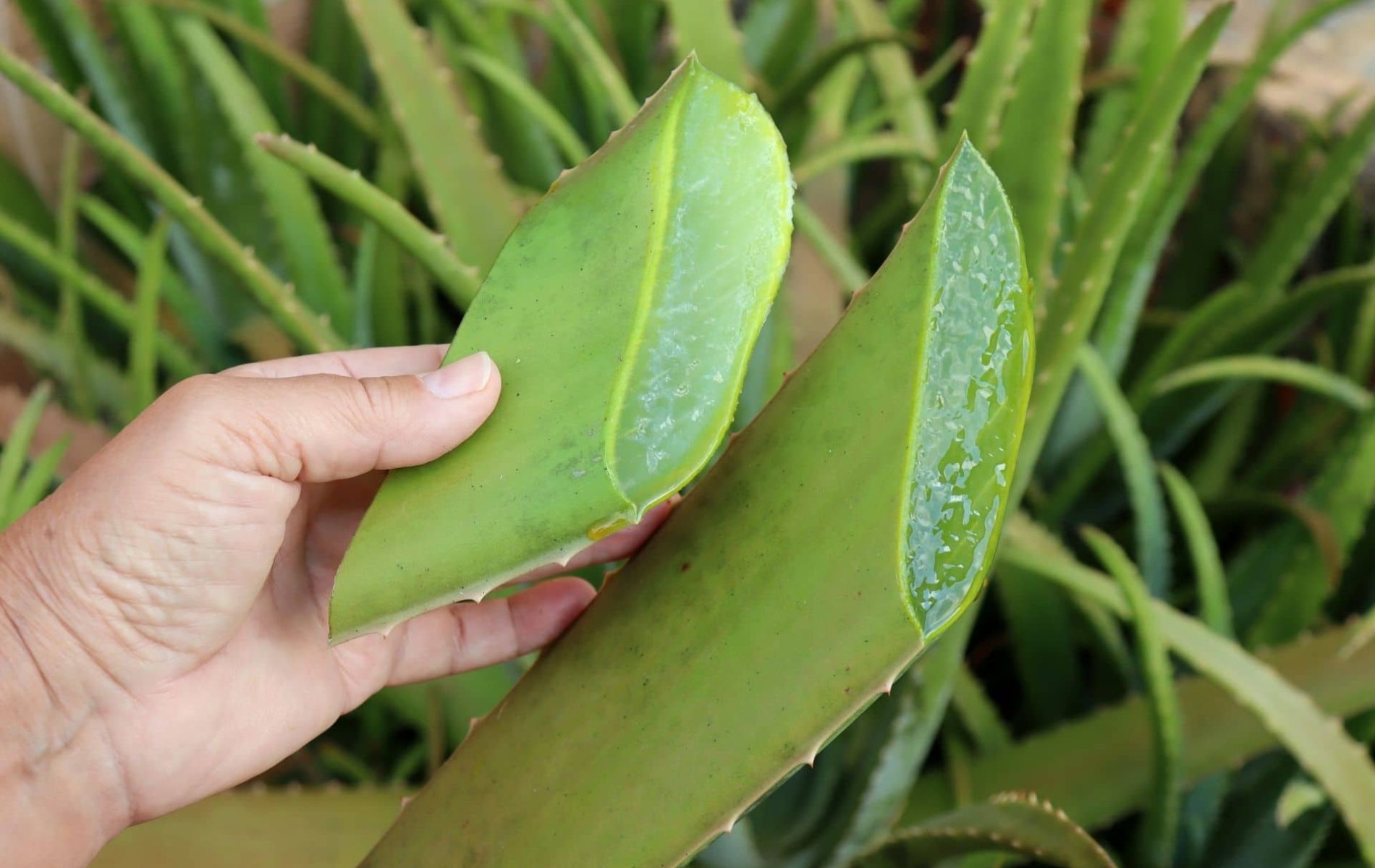
aloe vera leaf

Meaning of the word “Aloe Vera”?

The word “aloe vera” derives from the Latin “aloe“, which in turn comes from the Greek “aloé”, and means “bitter light“. The term “vera” was added to distinguish it from other plants in the Aloe genus that have similar but not identical medicinal properties.


Therefore, the term “aloe vera” refers to the plant species Aloe Barbadensis which is commonly used for therapeutic and cosmetic purposes, and is characterized by fleshy, pointed leaves containing a transparent, bitter gel that is used to prepare many skincare products and dietary supplements.


In general, the word “aloe” is often associated with healing and cosmetic properties, since many plant species in the Aloe genus are known to have these properties. However, the Aloe vera species, in particular, has become very popular for its effectiveness in skincare and immune system support.