


The Mother Tincture of Sage is a classic herbal preparation known for centuries, rich in benefits especially for women in Menopause.
Let's find out together.
Salvia Officinalis: what is it?
The common sage (Salvia officinalis L., 1753) is a small perennial plant herbaceous belonging to the family of the Lamiaceae.
Its virtues have been famous for millennia; in fact, was a sacred herb for the Romans, and its name comes from the Latin term “salvus”, meaning healthy, in tribute to its anti-inflammatory, balmy and digestive properties, which science has established and confirmed today.
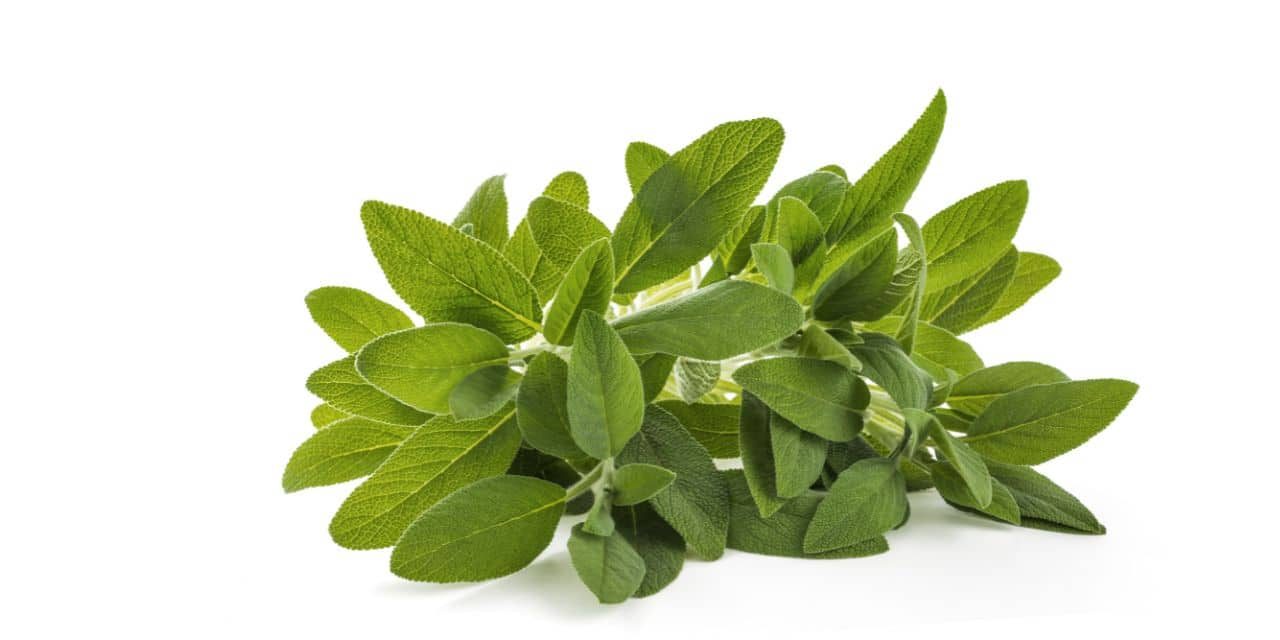
What is birch used for? Let's discover the properties of birch:
Herbal medicine, the science concerned with the use of plant-based medicines to treat human diseases, attributes Salvia Officinalis properties carminative, antispasmodic, antiseptic, astringent and antiperspirant.
Among the active compounds contained in the leaves and flowering tops, we find important compounds such asursolic acid, fumaric acid, chlorogenic acid, caffeic acid, rosmarinic acid (known anti-inflammatory action), salvin, enzymes, vitamins B1 and C, estrogenic substances, flavonoids (luteolin and apigenin glycosides).
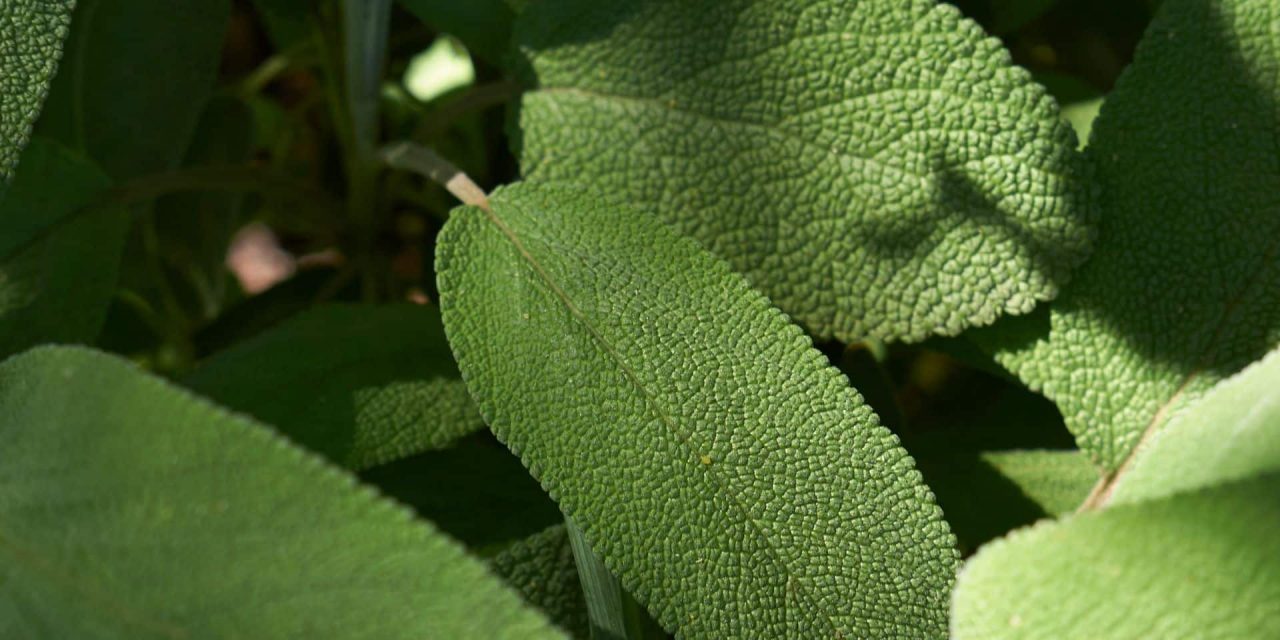
Sage Mother Tincture:
The Mother Tincture (TM) is a liquid preparation obtained by extracting the fresh herbal drug through percolation o maceration with a suitable solvent.
The most commonly used solvent in Mother Tinctures is a hydroalcoholic solution (water + alcohol) with a variable concentration (most often between 60° and 80°), depending on the solubility of the active compounds to be extracted.
Sage mother tincture is an herbal preparation extracted from the leaves of the Common Sage (Salvia Officinalis), which are macerated at a ratio of 1:10 in a solution of water and Alcohol.
This is an herbal remedy considered particularly useful for promoting women's well-being during menopause.
Glyceric Sage Macerate: what is it?
In recent years, Mother Tinctures extracted with Vegetable Glycerin instead of Alcohol, which makes them better from several points of view.
Furthermore, since Glycerin is a less powerful and therefore less extractive type of solvent than Alcohol, innovative extraction techniques are used, such asUltrasound Extraction.
Ultrasound Extraction is an innovative, clean, easy and quick extraction technique that makes it possible to extract active compounds from plants, particularly medicinal plants, and produce high-quality botanical extracts, exploiting the exclusively mechanical action exerted by the cavitation effect produced by sound waves.
The Alcohol-Free Sage Mother Tincture is obtained by hydroglyceric maceration of Salvia Officinalis leaves, always at a ratio of 1:10, and is an innovative type of Mother Tinctures, which, having been obtained through the ultrasound process, makes it better from several points of view.
We at Vonderweid, thanks to our twenty years of experience in the field of Food Supplements and after an extensive research and development process in our laboratories for the production of Alcohol-free Mother Tinctures, we managed to obtain a product with the desired characteristics.
Our alcohol-free Mother Tinctures are classified as Food Supplements and are regularly notified to the Ministry of Health.

Sage Glyceric Macerate: properties and indications
The Alcohol-Free Mother Tincture of Sage, o Sage Glyceric Macerate, is a natural remedy that can boast properties such as:
- Useful for function digestive
- Useful forelimination of intestinal gas
- Useful for contrast of menopause disorders menopause
- Useful for regularity of the process of sweating
- Useful for well-being of nose and throat
- Antioxidant and tonic action in cases of physical and mental fatigue
All these claims are regulated and approved by Italian Ministry of Health for their physiological effects, aimed at “optimizing the body's functions within homeostasis”.

Sage Glyceric Macerate: how many drops should be taken?
For taking sage drops, we recommend taking 20 drops 2/3 times a day, diluted in a glass of water.
We always remind you that supplements should not be considered substitutes for a varied and balanced diet and should be used as part of a healthy lifestyle.
Furthermore, do not exceed the recommended daily doseand keep out of the reach of children under 3 years of age.
Sage Contraindications?
Sage is contraindicated in kidney failure and neurovegetative instability.
It has been reported that sage can reduce not only sweating but also milk production; for this reason, its medicinal use during breastfeeding is discouraged as a precaution.
Bruno Brigo, however, recommends avoiding administration to plethoric and hypertensive individuals.


